

By Dr Cherish Watton-Colbrook, Archives Assistant
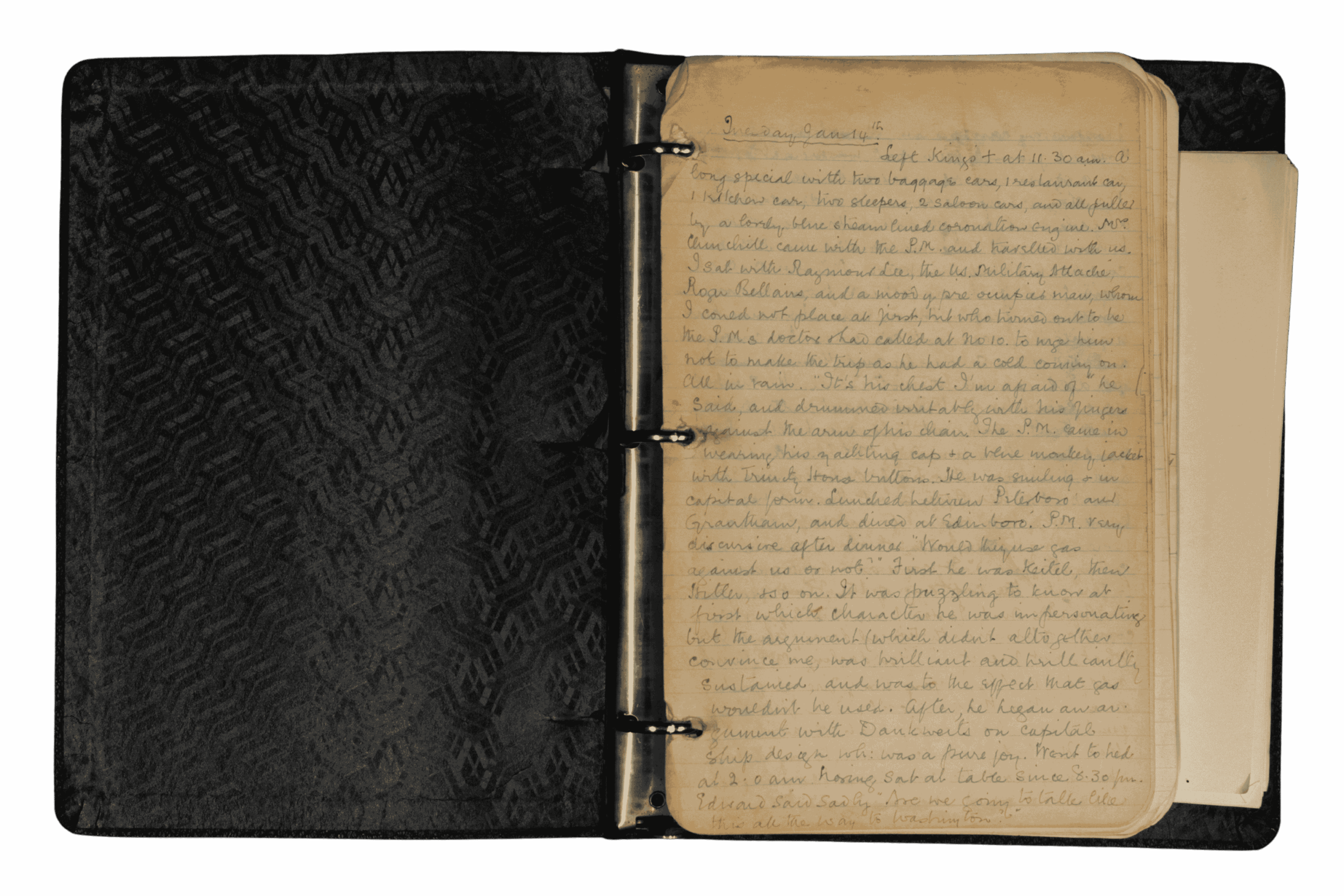
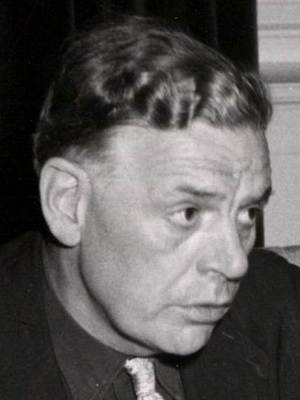
From January 1941 to February 1942, Charles Peake worked as the Personal Assistant to Edward, Lord Halifax. Before this, Charles had served as a secretary in Bulgaria, Constantinople, Tokyo, and Paris. In 1934 he moved to the News Department of the Foreign Office, later becoming Chief Press Adviser for the Ministry of Information. It was on the back of this experience that Charles began working for Lord Halifax.
Source: Wikipedia
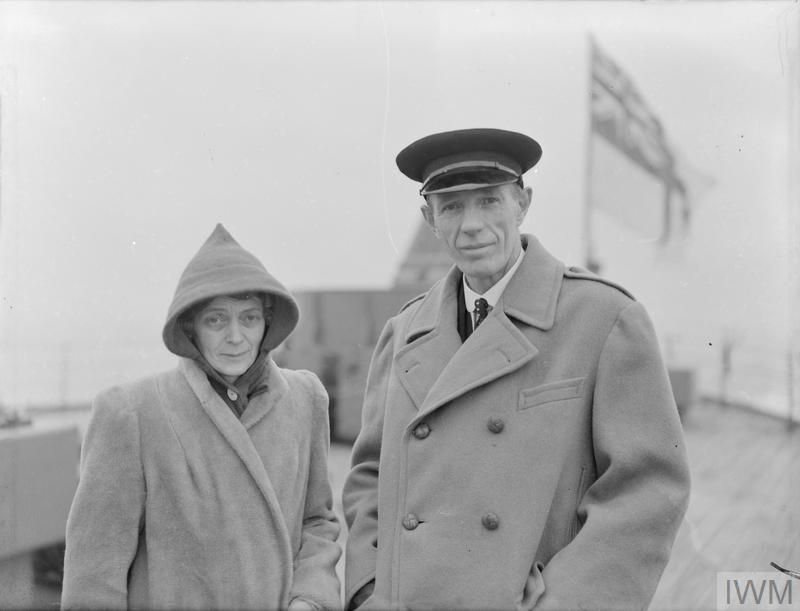
Edward, as many will know, was British Ambassador to the US between 1941 and 1946. As his Personal Assistant, Charles spent a lot of time with Edward and his wife Dorothy, drafting speeches and accompanying them on engagements across America and Canada. And Charles recorded much of this in meticulous detail in his diary.
Source: © IWM A 3473.
‘Edward was in seventh heaven’
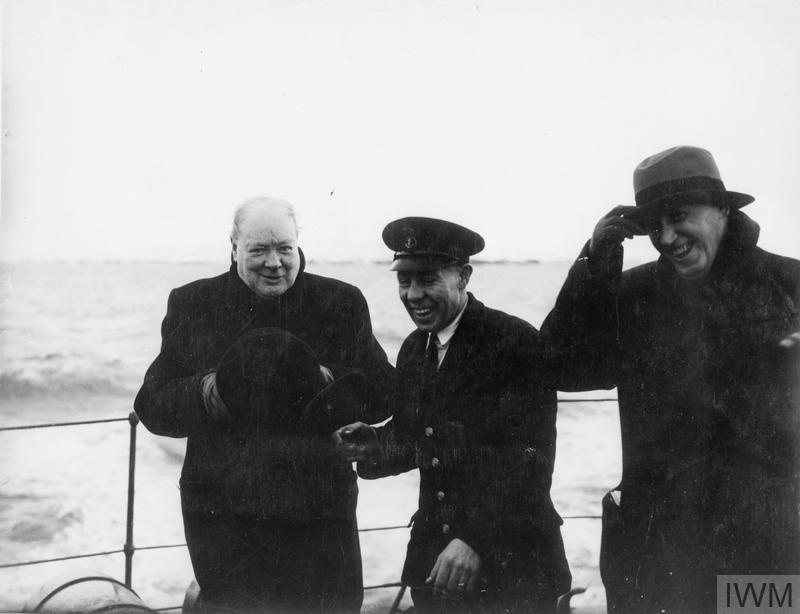
Charles captured pivotal moments in the history of the Second World War, including Edward’s decision not to become Prime Minister following the resignation of Neville Chamberlain in June 1940, as well as his reservations about the Lend-Lease Bill (1st March 1941). Charles coupled accounts of high politics with stories of glamorous encounters with Hollywood stars such as Clarke Gable, Judy Garland, and Mary Pickford. On 22nd July 1941, ‘Edward was in seventh heaven’, Charles scribbled.
Source: © IWM A 2707.
Charles also noted when Edward gave a dachshund to Dorothy, listening to ghost stories read aloud by Edward (30th June 1941), and a fishing trip where Edward insisted that Dorothy and Charles join him: ‘D and I suffered ourselves silently’, Charles wrote in protest (26th July 1941).
Charles chronicled when he and Edward argued. In October 1941, Charles and Edward had one of their most serious disagreements, even though (frustratingly), Charles doesn’t disclose what this was about. Edward apparently retorted to Charles how ‘never, looking back on my life, have I been angrier than I am to-day’. After relaying some of their terse exchange, Charles concluded his entry for the day; ‘I see how juvenile we both are. I suppose grown men have to behave like this sometimes’ (9th October 1941). Intriguingly, Edward’s diary for the same day (digitised by the Borthwick Institute for Archives at the University of York) makes no mention of their disagreement.
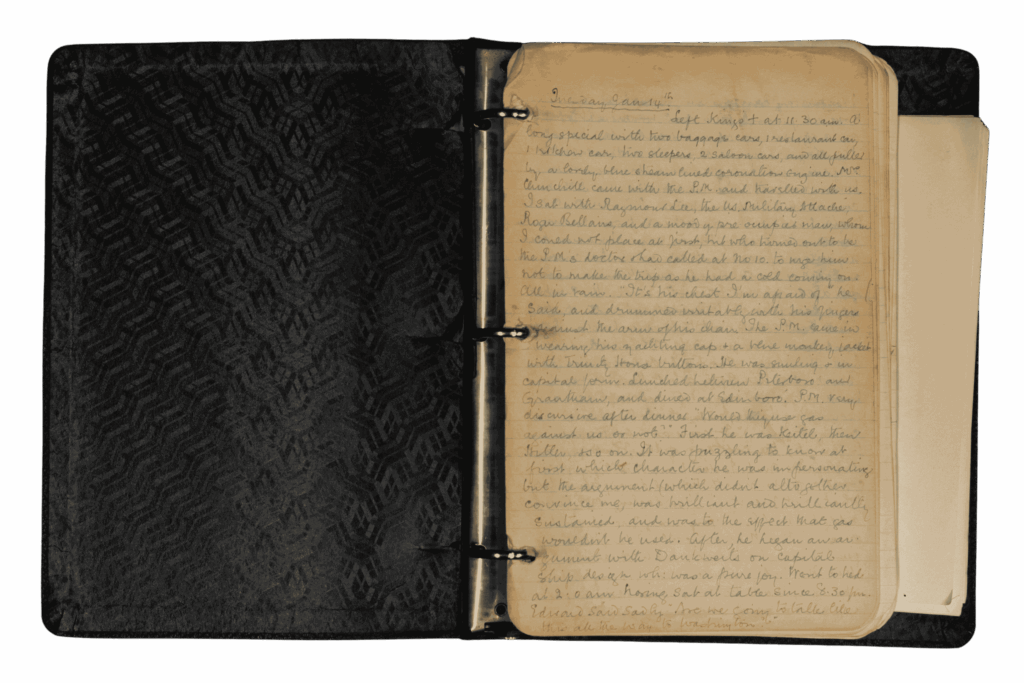
Source: PEAK 1/1
‘He smiled beatifically and said he knew he was a born driver’
Charles regularly reflected on the places he visited, the people he met, and how he travelled between destinations. On 16th July 1941, after a breakfast of raspberries and cream, Edward and Charles travelled by train to Los Angeles. On this journey, the train driver gave Edward the opportunity to commandeer the train, an episode which makes for one of the most amusing accounts in Charles’ diary:
‘The engineer showed him where the “dead man’s handle” was and E. [Edward] installed himself in the engineer’s seat. The train I noticed was travelling about 60. “Has it this train got a whistle” he asked after a few minutes. The engineer indicated a cord. Edward pulled it and a hideous blast awoke the valley. Finally the engineer asked him to desist. “I can if I like” said E his mouth set in an obstinate line.
After a minute he said “I thought all American trains have a bell.” “Yes” said the engineer but we only use it for shunting and when we are pulling out of cities”. “Show me” said Edward. The engineer silently pointed. Edward yanked at the handle. The bell began to toll mournfully. Soon bell and whistle entered into hideous competition.
The train entered a long defile where the line saw straight as the eye can see. “How do you make it go faster?” queried Edward. “We don’t want to go faster” said the engineer, since we are on time.” “But if we did, all one needs to do it to push the handle of the governor forward.”
Forward, at that moment went the handle of the governor, to the limit of its capacity. The great monster seemed to gather itself in hand and a pulse began to heat throughout its length. The speed crept forward to 85 miles an hour. I cocked an enquiring eye at her Ladyship. “Let him” she said, “if it makes him happy”, “and after all” she added, “mercifully the passengers don’t know what is happening”. The engineer thought differently. “I will now drive” he said, and E got down reluctantly. He smiled beatifically and said he knew he was a born driver.’
‘Edward has made me a reformed toad’
Charles credited Edward as the inspiration for his diary: ‘Edward has made me a reformed toad’ (27th February 1941). Unlike Edward, Charles would not dictate his diary, preferring to write or type his entries before sending them home to his wife, Catherine.
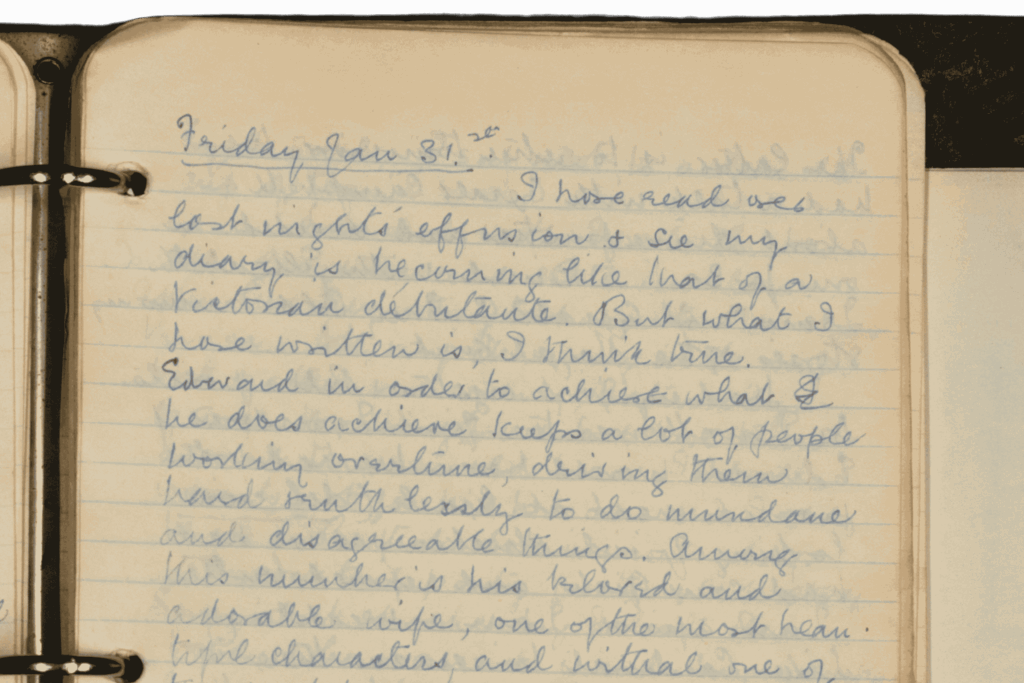
Source: PEAK 1/1
Like many of the diarists whose volumes lie in our stacks, Charles regularly reflected on his diary-keeping practice. At times, he felt his diary was becoming too ‘subjective’ (27th January 1941) or was like one written by ‘a Victorian debutante’ (31st January 1941). We will leave it up to you to decide…
Read Charles Peake’s wartime diary on our Access Portal, as well as other diaries in his collection.
Browse the catalogue to find out more about the Papers of Charles Peake.
Book a space in our reading room if you would like to consult the Peake papers in person.